Introduction
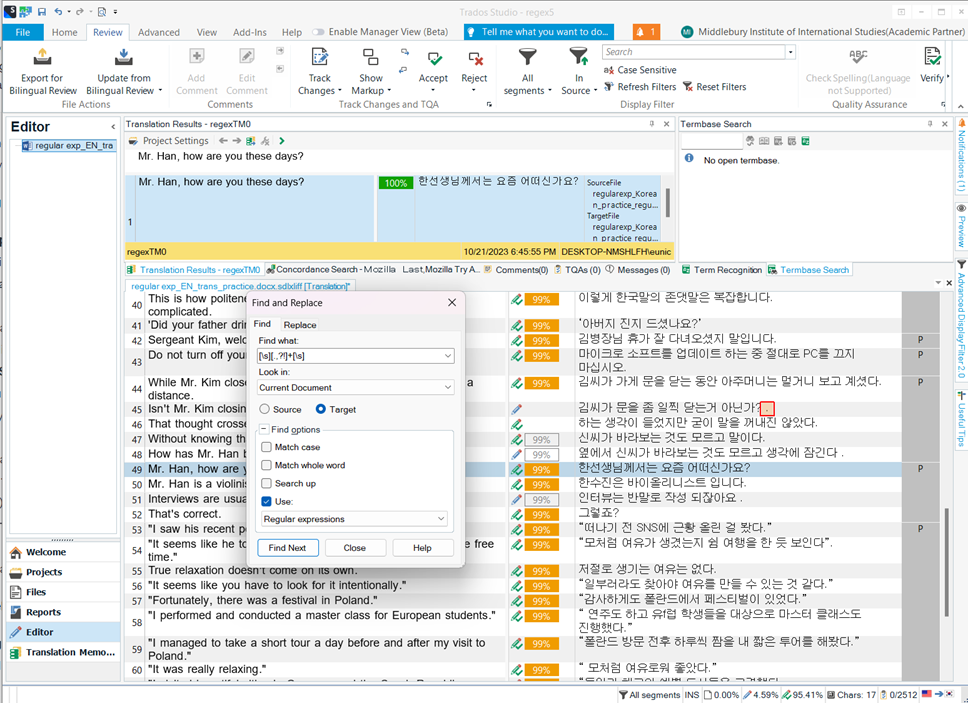
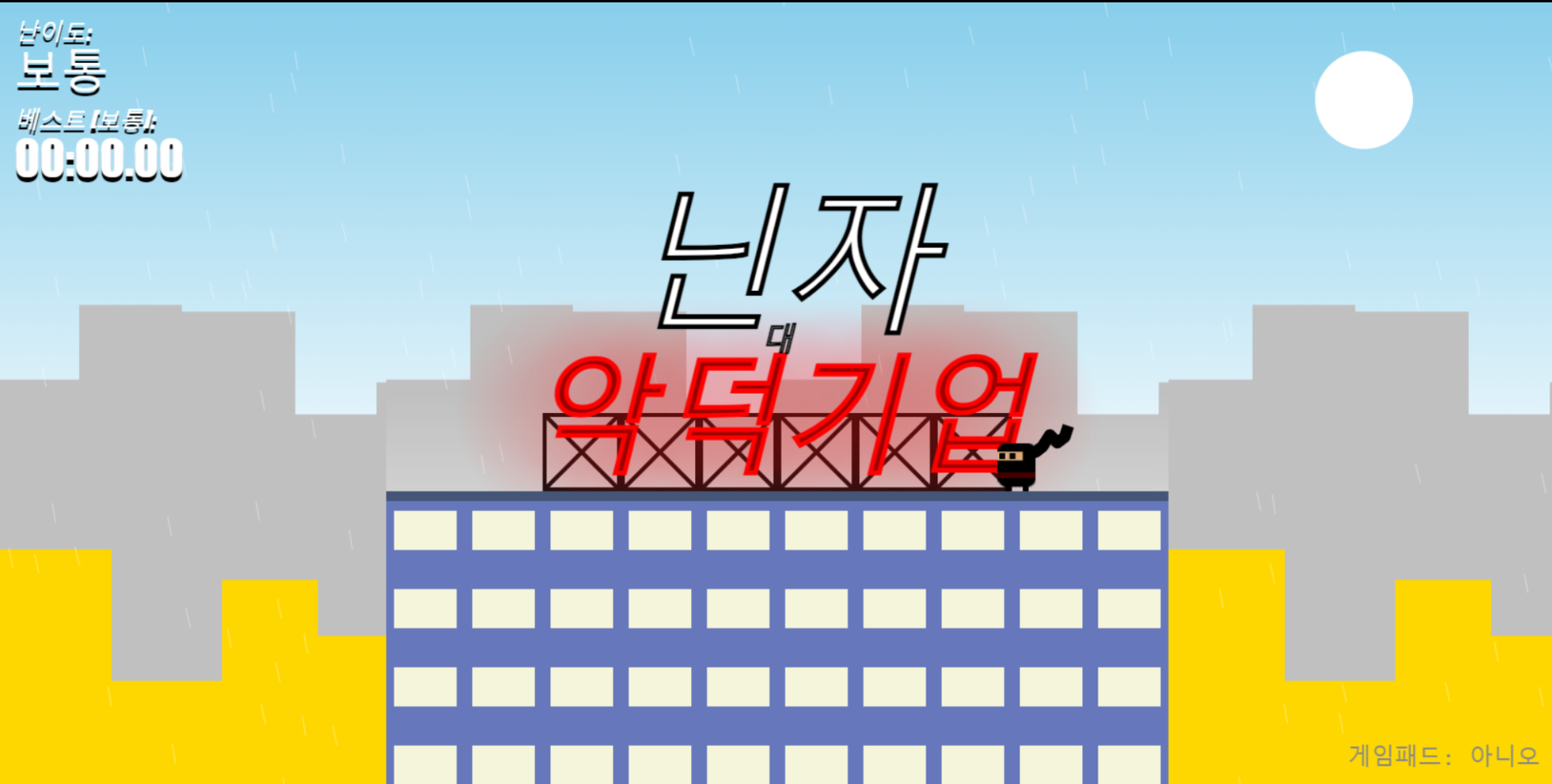
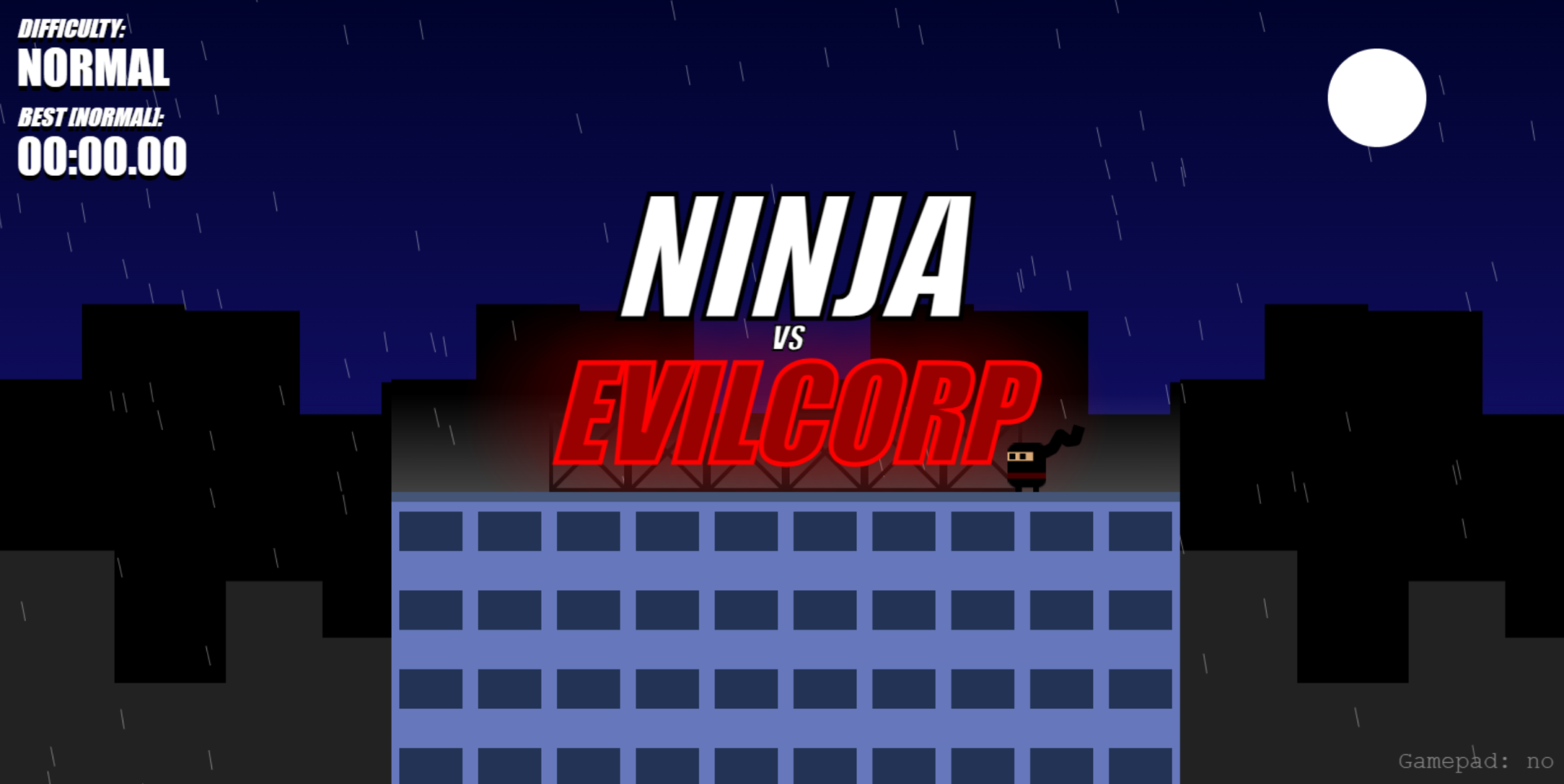
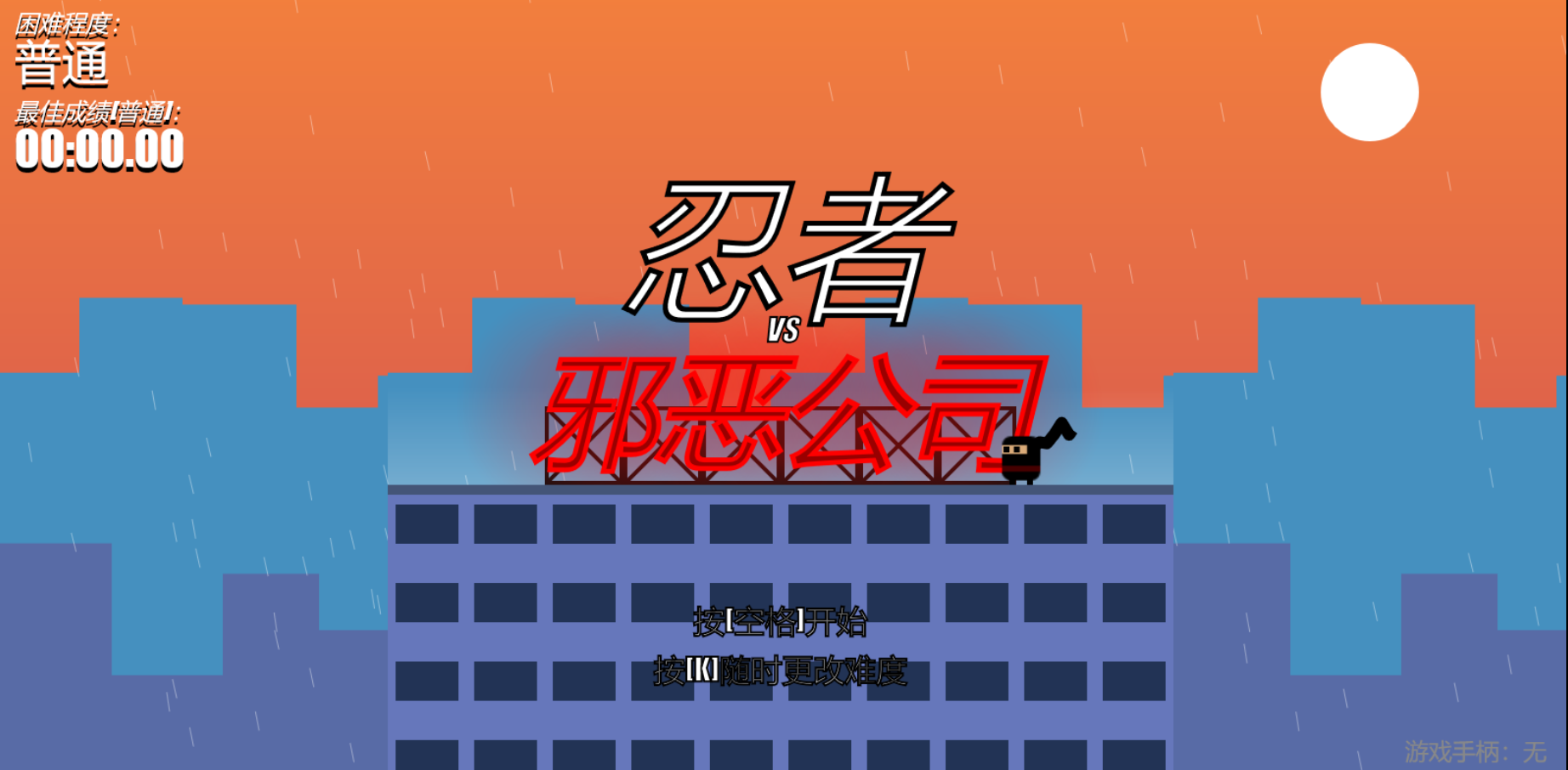
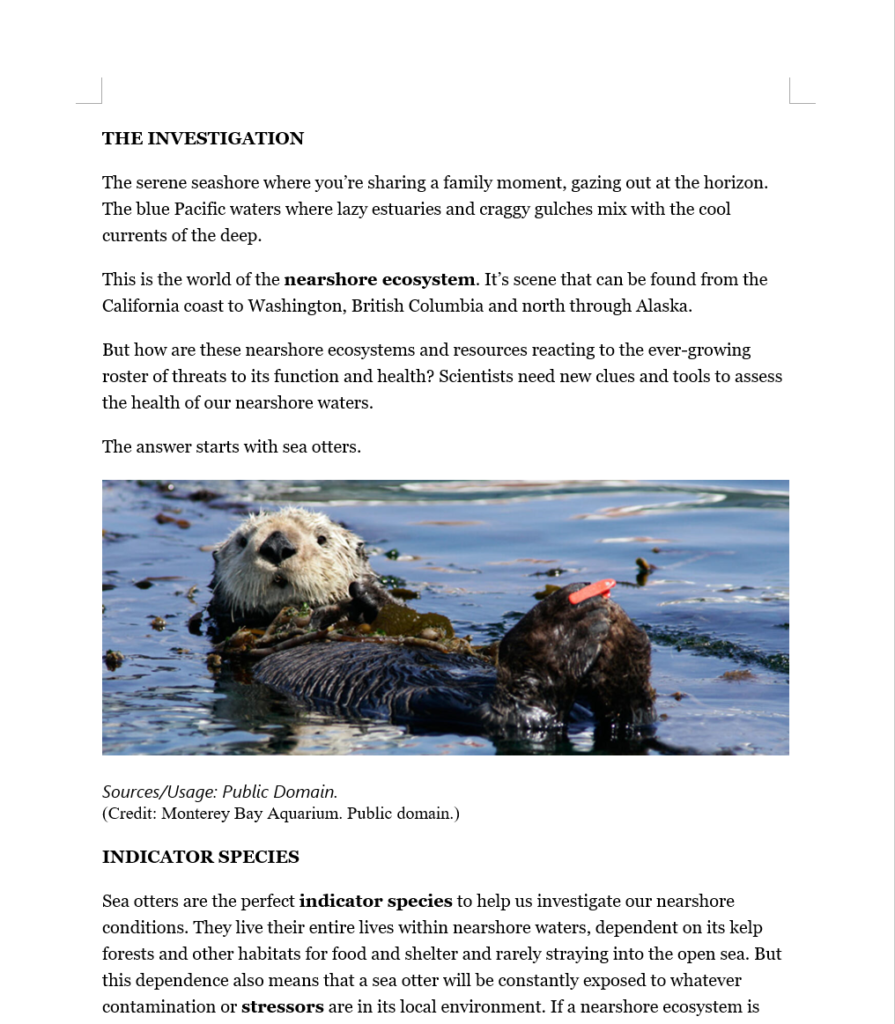
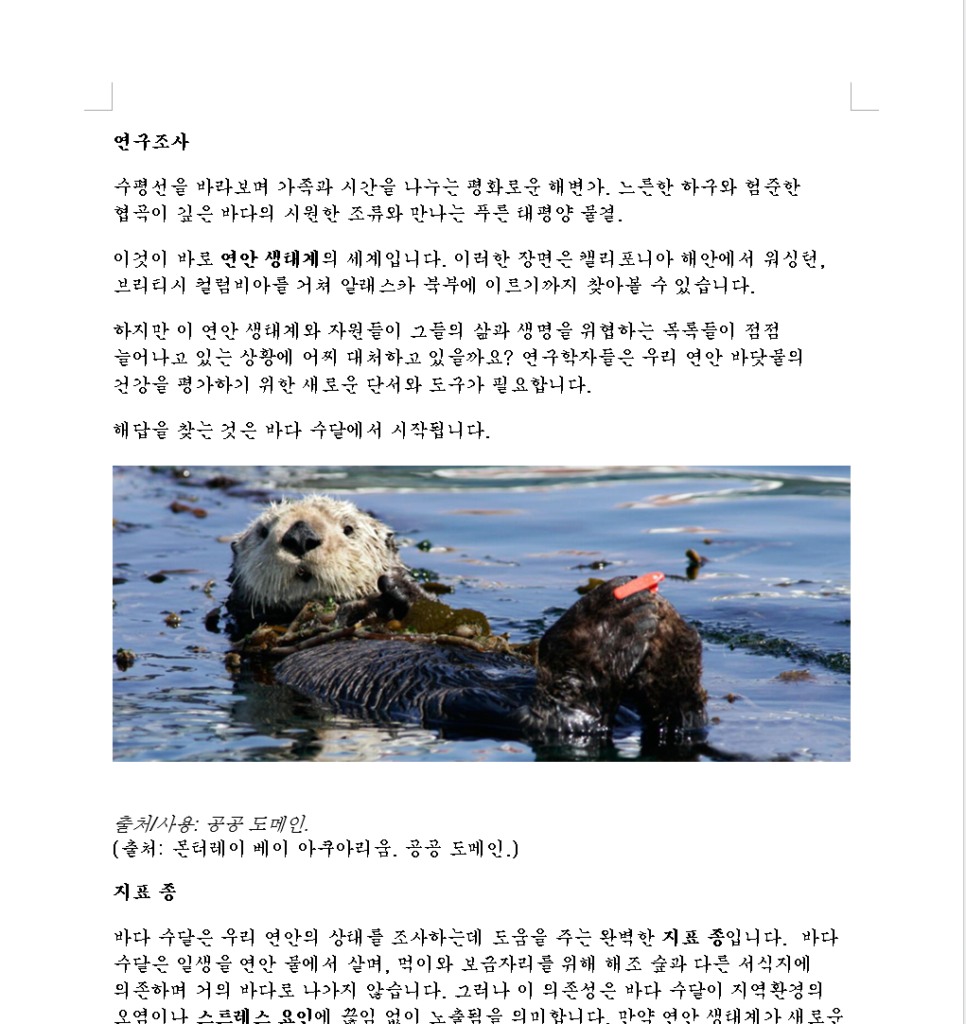
At MIIS, our approach to learning is hands-on, especially in the Translation Technology course, where we practice through projects that mirror the industry’s real-world demands. As the culmination of our studies, we formed a team under the banner of Amazing Five Translation. We embarked on a project that would see us partnering with Monterey Bay Aquarium during Otter Awareness Month, translating vital campaign materials. Our mission was to adapt these materials for an international audience, ensuring the message was as impactful and engaging as the original. Amazing Five took on the task, providing translations in Chinese, Japanese, Korean, and Portuguese, and managing the workflow with professional tools like SDL Trados, from the drafting of our proposal to the final delivery of our work.
Statement of Work (SOW)
The SOW for our “Otter Awareness Month” project captures the essence of AFT’s translation services.
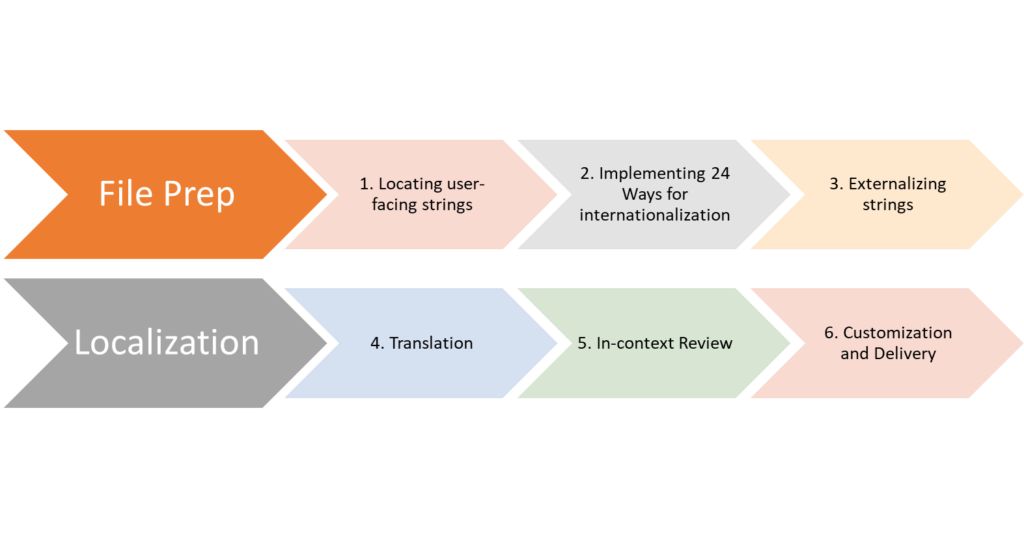
The document meticulously lays out the workflow stages from preparation, production, and finalization stages. It also outlines communication protocols, pricing, and payment details, while also profiling the expert linguists and tools engaged in the project. It serves as a comprehensive guide for ensuring our client is fully informed and played a crucial role in securing the green light for our project during the initial kick-off meeting with the client.
Kick-Off Meeting with the Client
After meticulously crafting our proposal, our team had a kick-off meeting with the client, affectionately known as Prof. Wooten. He played the role of a client unfamiliar with translation work and we thoroughly guided him through our plan, and while he seemed impressed, he suggested having a minimally bilingual employee review our work, challenging us to defend our professional integrity.
As professionals, we were confident in our skills, but this mock scenario was a lesson in client dynamics. We advocated for our expertise, yet learned that clients often seek external opinions. Having spent a good amount of time in the language industry, I am still discovering new aspects to learn. This project was a brilliant simulation, offering valuable insights into client relations and real-world challenges in translation.
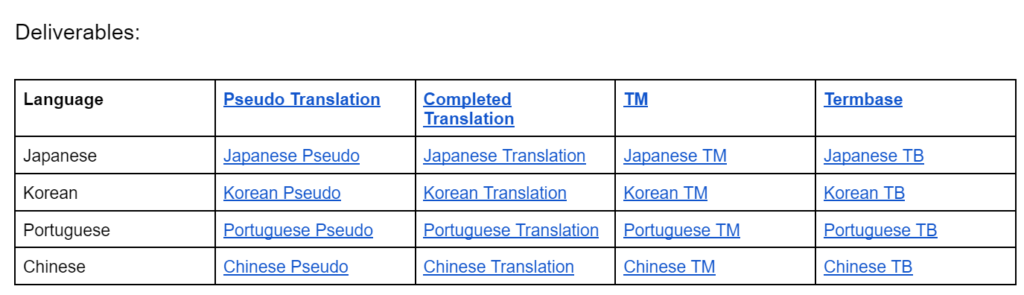
Deliverables
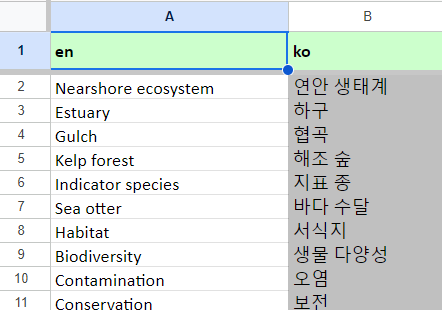
Leveraging our amazing teamwork, we successfully delivered all the required materials to our client on schedule. The deliverables consisted of thoroughly translated documents, Translation Memory, glossaries, and pseudo-translations for Chinese, Japanese, Korean, and Portuguese, ensuring a comprehensive and well-rounded translation package.
Future Improvements
Reflecting on our group translation project, I recognized key improvement areas for more professional and effective project management in real-world scenarios. The significance of having a dedicated project manager became apparent, especially for larger projects. A project manager could optimize workflow in the CAT tool, improving the use of translation memory and glossary management. I also realized the importance of a task tracker such as JIRA to streamline communication, as relying solely on Teams chat proved inefficient. These realizations have equipped me with a deeper understanding of how to enhance both our management and communication strategies for future translation projects.